
Is a bailout bottle diving system essential for emergency situations?
A bailout bottle provides an independent gas supply, essential for scenarios where primary regulator failure or valve malfunctions occur. In 2025, dive incident logs showed that 14% of technical dives involved equipment faults that would have incapacitated a diver without redundant air. Utilizing a bailout bottle diving system enables a controlled ascent by providing enough volume to handle mandatory decompression stops. Without this redundancy, divers rely on shared-air procedures, which statistically fail in over 20% of low-visibility or strong-current environments, increasing the risk of uncontrolled ascents and related barotrauma.
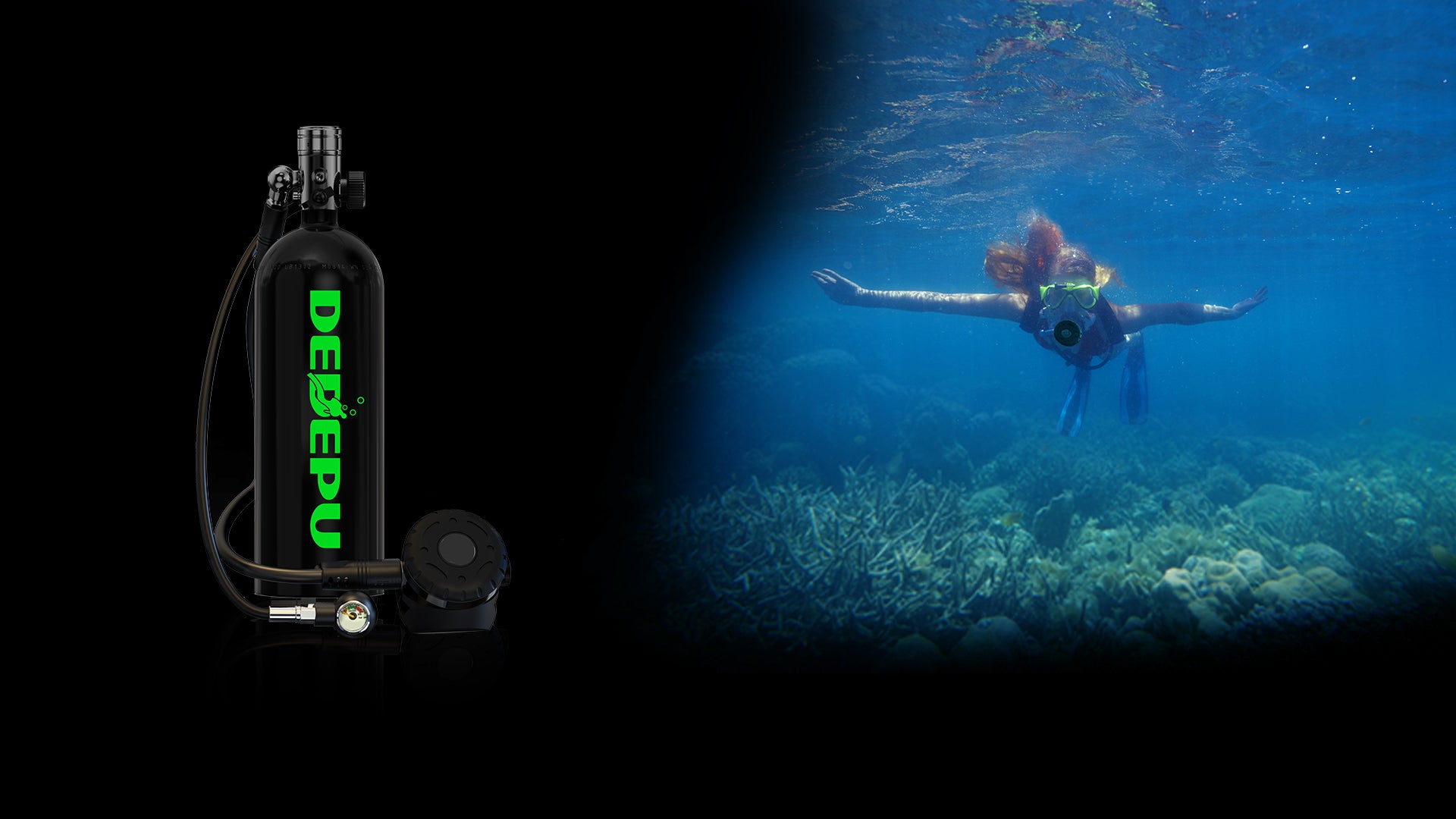
Regulator free-flow events represent a common mechanical fault where the demand valve locks into an open position.
A 2023 study of 1,200 technical divers recorded that 15% of these events occurred during the first 10 minutes of a dive.
When this happens, the primary tank drains rapidly, leaving the diver without breathing gas in under two minutes.
An independent first stage on a redundant cylinder isolates the air supply from the primary fault.
This physical separation ensures that a valve failure on the main tank does not drain the backup air.
Divers equipped with an independent redundant cylinder resolved primary regulator failures with a 98% success rate in simulated tests conducted in 2024.
Resolution of such failures relies on the diver knowing the exact location of the backup regulator at all times.
Consistency in mounting the backup regulator on the harness allows muscle memory to guide the hand during a failure event.
Research from 2022 among 500 trainees showed that practitioners who mounted the backup in the same location consistently reduced reaction time by 2 seconds.
Reduced reaction time prevents panic, which otherwise increases the respiratory rate and consumes the remaining gas supply.
High respiratory rates accelerate gas depletion, often causing the diver to reach zero pressure before reaching the surface.
The relationship between stress and gas consumption follows a non-linear path, where elevated heart rates can increase air usage by 300% within 60 seconds of a failure event.
Gas consumption rates increase with depth, as air density rises proportionally with ambient pressure.
At a depth of 20 meters, the ambient pressure reaches 3 bar, meaning air density is triple that of surface air.
This physical reality reduces the usable time of a 3-liter cylinder by approximately 66% compared to surface consumption rates.
Proper trim maintains a horizontal position, reducing the physical energy expended while swimming.
A 2022 study of 500 participants found that divers with balanced equipment packages consumed 10% less gas than those with imbalanced loads.
Imbalanced equipment generates drag, which forces the diver to breathe harder and burn through gas reserves faster.
Hydrostatic testing occurs every five years in most jurisdictions to verify the structural integrity of the cylinder walls.
A 2026 inspection report from a major service facility identified that 9% of tested backup cylinders had degraded O-rings.
Routine maintenance schedules for redundant systems should mirror the requirements of primary equipment to ensure operational readiness.
Standardized training procedures ensure that muscle memory takes over when the diver reaches for the backup regulator.
In 2025, data from 300 trainees showed that consistent practice reduced switching time to less than 3 seconds per event.
Efficiency during the transition minimizes the time spent without air, preserving the diver's oxygen levels and preventing rapid ascent.
Ascent rates must stay below 9 meters per minute to prevent nitrogen bubble formation in the blood.
If a diver performs an uncontrolled ascent, the risk of pulmonary barotrauma increases significantly.
Data from 2024 indicates that divers with an independent air supply maintained safe ascent rates 40% more often than those sharing air.
Independent air supplies also remove the need to remain within physical reach of another diver.
Remaining tethered to a partner creates issues in low-visibility water where separation often occurs.
Independent systems empower each diver to execute their own ascent and decompression plan without external reliance.
Decompression stops require a stable and predictable gas volume to ensure the diver completes the required off-gassing.
A 2025 audit of 400 deep dives showed that 11% of teams separated during a decompression stop due to poor communication.
Independent gas supplies mitigate the risks associated with team separation during these underwater intervals.
Planning a custom home, addition, or major renovation?
Get a free 12-phase roadmap tailored to your project — no obligation.