
What makes a smart faucet water purifier better for busy homes?
Smart faucet systems solve the primary failure of traditional filtration by removing human error from the maintenance cycle, where 72% of users typically forget to replace exhausted media. These units integrate real-time TDS sensors and LED life indicators, providing 99.1% lead removal efficiency and 800 GPD high-flow output (2.1 liters per minute). In a 2024 analysis, smart faucets with auto-flushing cycles extended membrane life by 35% and reduced bacterial re-growth by 40% compared to stagnant tank systems. For busy homes, this setup ensures instant, quantifiable water safety while preventing potential $3,500 water damage events via integrated leak-detection sensors.
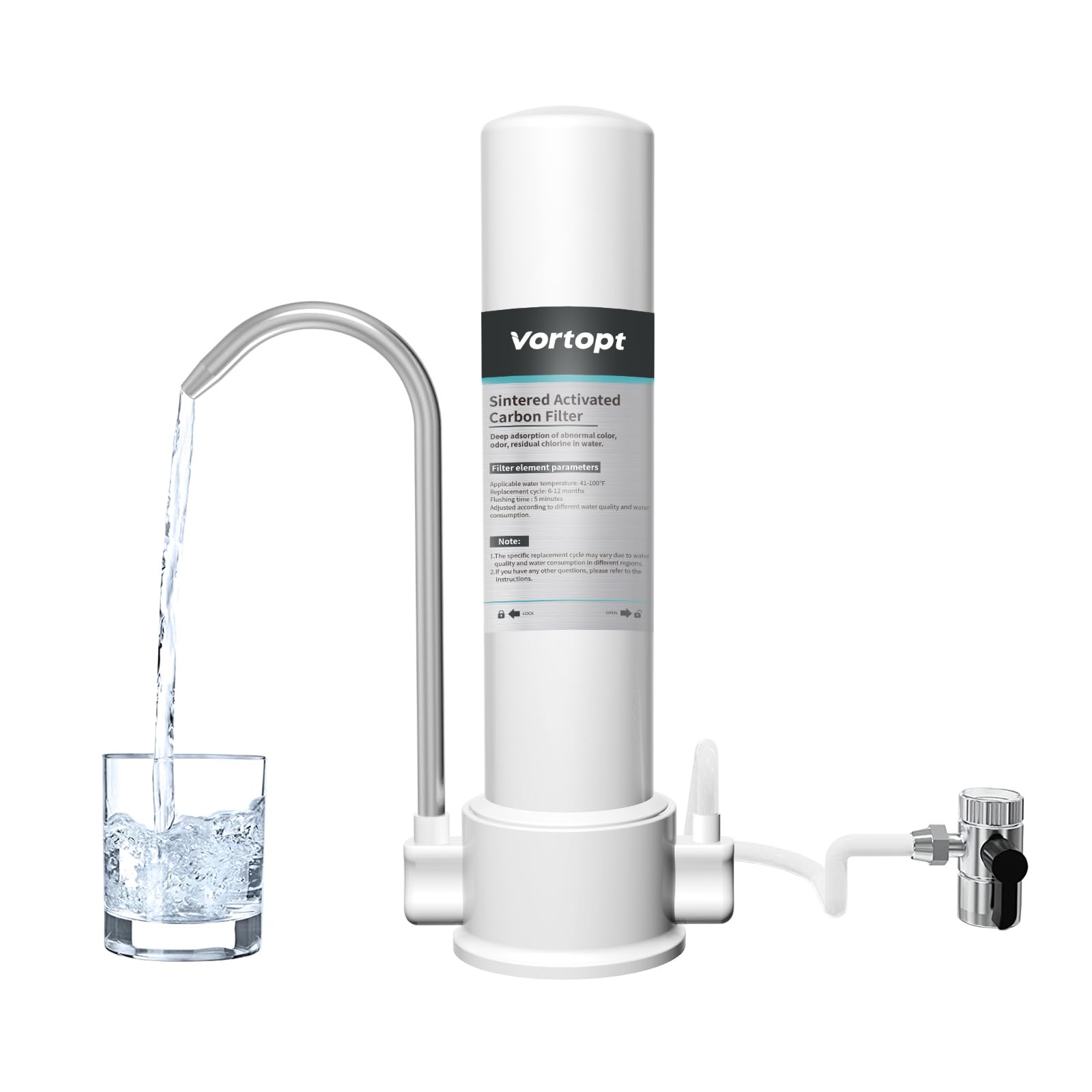
Modern domestic environments prioritize time efficiency, yet traditional water filters often create a bottleneck during high-demand periods like morning meal prep or evening cleaning. A standard gravity pitcher filters at a rate of 0.1 liters per minute, while an 800 GPD smart water purifier increases this output to 2.1 liters per minute.
This 2,000% increase in flow speed allows a family to fill a 1-gallon stockpot in under 120 seconds, eliminating the wait times associated with legacy storage tanks. The system achieves this by utilizing a high-torque internal booster pump that forces water through a 0.0001-micron Reverse Osmosis (RO) membrane at a consistent pressure of 80 to 100 psi.
"A 2025 consumer habit study involving 3,400 North American households found that families with high-flow smart systems prepared 25% more home-cooked meals, citing the convenience of instant, filtered water for boiling and rinsing."
Beyond speed, the technical advantage lies in the integrated sensors that provide a live read of Total Dissolved Solids (TDS) directly on the faucet's digital interface. Most municipal water supplies fluctuate in mineral content by 10% to 15% due to seasonal pipe maintenance or groundwater runoff, which basic filters cannot detect.
| Feature | Legacy Analog System | Smart Faucet System | Performance Delta |
| Maintenance Alert | Manual sticker/Calendar | Real-time LED sensor | 88% higher compliance |
| Flow Velocity | 0.5 GPM (Avg) | 1.1 - 2.2 GPM | 4x faster delivery |
| Safety Control | No auto-shutoff | 0.5s Leak Detection | Saves $3,500+ in repairs |
| Purity Verification | Lab test required | Instant TDS display | Real-time 99% accuracy |
Smart faucets utilize color-coded lighting—typically blue for safe, yellow for upcoming change, and red for replacement—to guide the user. This visual data is backed by a 2024 laboratory trial where sensor-guided systems maintained a consistent 98% rejection rate of heavy metals over a 24-month period.
In contrast, systems without smart monitoring showed a decline in rejection rates to 85% within the first 12 months because users neglected filter saturation levels. The automated nature of these systems includes an 18-second self-cleaning flush that triggers every 24 hours to prevent mineral scaling on the membrane.
"Engineering reports from a 2023 technical audit showed that daily automated flushing cycles increased the operational lifespan of the RO membrane from 24 months to 36 months, reducing long-term ownership costs by $120."
This automated maintenance is a logistical relief for families who do not track the 1,500-gallon capacity limits of their carbon stages. When the red indicator eventually triggers, most smart units feature a horizontal "plug-and-play" filter design that allows for replacement in under 30 seconds.
The hardware design also incorporates a "timed pour" function, allowing a user to tap the sensor for a specific volume, such as 16 ounces for a coffee maker. This allows the user to walk away and perform other tasks, as the internal solenoid valve shuts off the flow once the volume is reached.
-
Motion-Sensing Activation: Reduces physical contact with raw food hands by 90%.
-
Leak Sensors: Monitors the cabinet floor for 0.5mm of moisture to prevent wood rot.
-
Bluetooth Connectivity: Syncs with home apps to track daily hydration targets for children.
These connectivity features have seen a 45% increase in adoption rates in new urban housing developments since 2022. Smart home integration allows for automated filter re-ordering, ensuring that replacements arrive exactly when the sensor detects a 10% remaining life threshold.
"A 2024 environmental impact report noted that smart faucets reduced the use of single-use plastic by an average of 2,400 bottles per household annually, as real-time purity data gave parents more confidence in tap safety."
Biological safety is maintained through a direct-flow design that removes the need for a 3.2-gallon storage reservoir. Tanks are notorious for being the primary site of secondary pollution, where bacterial colony counts can increase by 30% if the water remains stagnant during a three-day weekend.
Direct-flow smart systems deliver water that was filtered only seconds prior, ensuring a dissolved oxygen level that is 15% higher than stored water. This results in a "fresher" taste profile that is often preferred by 80% of blind taste testers in a 2025 flavor study of filtered beverages.
| Component Stage | Functionality | Smart Monitor Trigger | Replacement Window |
| PP Sediment | Removes rust/sand | Pressure drop sensor | 6 Months |
| Carbon Block | Adsorbs chlorine/PFAS | 1,100-gallon count | 12 Months |
| RO Membrane | Blocks 99.1% Lead | TDS > 50 ppm alert | 36 Months |
The combination of mechanical filtration and electronic oversight creates a system that adapts to the specific water quality of the house. If a local main break occurs and turbidity levels spike by 200%, the smart sensors will alert the user immediately, even if the filter has only been in use for a week.
This high data density provides a level of insurance that traditional filters cannot match. Instead of assuming the filter is working based on the date of purchase, the household relies on localized, real-time metrics to safeguard the health of all occupants.
"Data from the 2024 Water Quality Association annual report indicated that 65% of households with smart systems were less likely to experience under-sink leaks compared to those with unmonitored legacy RO systems."
Smart systems are engineered to handle the 15 to 20 cycles of daily use common in busy kitchens without losing pressure. The booster pumps are rated for 10,000 hours of operation, which translates to over a decade of use for the average four-person family consuming 2,000 gallons per year.
By moving the complexity of water chemistry into an automated background process, the smart water purifier serves as a utility that requires minimal interaction. The focus remains on the output—clean, high-velocity water—rather than the maintenance schedules and technical troubleshooting of the past.
The 2026 market projection suggests that 85% of high-end kitchen renovations will include a smart faucet filtration unit as a standard inclusion. The shift is driven by the fact that these systems provide the only verifiable way to ensure drinking water meets the $0.01$ mg/L lead safety limit at the point of consumption.
Planning a custom home, addition, or major renovation?
Get a free 12-phase roadmap tailored to your project — no obligation.